Ever-Power 9YG Series · Large Round Hay Bales & Straw
Large Round Balers
Six production-ready large round baler models for large round hay bales and large round straw bales — 250–500 kg bale weight, sensor-controlled, 40–100 bales per hour.
250–500 kg
Large Round Bale Weight
100 /hr
Bales per Hour
2240 mm
Pickup Width
32K m²
Factory Footprint
ISO 9001
Quality Certified
— The Range
Large Round Baler Range for Large Round Hay Bales & Crop Residue
A large round baler is the central machine in any high-volume forage or crop-residue operation. Farmers producing large round bales of hay for fodder traders, biomass power plants and dairy co-operatives need a machine that delivers consistent large round hay bales across every crop and every season. For commercial contractors, custom-hire operators and large arable farms across Punjab, Haryana, Uttar Pradesh, Madhya Pradesh, Karnataka and Maharashtra, the choice of large round baler determines daily output, fuel cost per bale and downstream transport efficiency.
Ever-Power manufactures six dedicated large round baler models in the 9YG series, producing large round straw bales in the 250–500 kg large round bale weight range — the band Indian agricultural logistics demands. Each model shares the patented Axial-Flow semi-forced feeding mechanism, sensor-driven density control and heavy-section roller-chamber architecture. Large round bale price varies by model and specification; contact us for a factory-direct quotation within 24 hours.
— Weight & Pricing Guide
Large Round Bale Weight & Price — At a Glance
Buyers frequently ask how much a large round bale of hay weighs and what a large round baler costs. Both answers depend on chamber size, crop type and target density — the table below gives the direct data for our six models.
| Large Round Baler Model | Chamber (Dia × W) | Bale Weight — Hay | Bale Weight — Straw | Tractor Power |
|---|---|---|---|---|
| 9YG-2.24D S9000 Pro | 1300 × 1400 mm | 370–500 kg | 250–400 kg | 55–100 kW (75–135 HP) |
| 9YG-2.24D S9000 Classic | 1300 × 1400 mm | 370–500 kg | 250–400 kg | 55–100 kW (75–135 HP) |
| 9YG-2.24D S9000 | 1300 × 1400 mm | 370–500 kg | 250–400 kg | 55–100 kW (75–135 HP) |
| 9YG-2.24D (Base) | 1300 × 1400 mm | 300–450 kg | 220–370 kg | 55–100 kW (75–135 HP) |
| 9YG-1.25 (Multi-Crop) | 1200 × 1250 mm | 250–350 kg | 200–300 kg | ≥88 kW (120 HP) |
| 9YG-1.25A (Wide PTO) | 1300 × 1250 mm | 300–420 kg | 220–350 kg | ≥75 kW (100 HP) |
How much does a large round bale of hay weigh?
A large round bale of hay weighs 250–500 kg depending on the baler chamber size, crop moisture and target density setting. Our 1300 × 1400 mm chamber at full density (200 kg/m³) produces bales of 370–500 kg on wheat hay and 250–370 kg on dry paddy straw.
How much is a large round baler?
Factory-direct large round baler price starts from USD 8,000 for the base 9YG-2.24D model. The flagship S9000 Pro with quick-hitch double gearbox is priced higher. All models ship with 12-month warranty. Contact us for CIF pricing to your port.
How many large round bales per hour?
Factory rating is 40–100 large round bales per hour. In real field conditions — accounting for windrow spacing and net-wrap reloading — sustained output is 30–60 bales/hr on paddy straw and 50–80 bales/hr on wheat hay. The S9000 Pro reaches the upper end.
— Why Ever-Power
Built by a National High-Tech Manufacturer
ENGINEERING PROVENANCE
ISO 9001:2015 quality system, national-grade enterprise R&D centre and 14+ utility-model patents covering the axial-flow feed throat, double-cross-joint driveline and tensioned net-wrap system.
FIELD-TESTED AT SCALE
Four consecutive years as volume leader in large round baler sales in our home market, with verified deployments across Russia, Mongolia, Kazakhstan and India.
BUILT FOR LARGE ROUND STRAW BALES
Every Ever-Power large round baler is dimensioned for abrasive, dry crop residue — 18-roller fixed chamber, φ222 mm roller, sensor density 100–200 kg/m³ for consistent large round straw bales and hay bales.
— Product Line
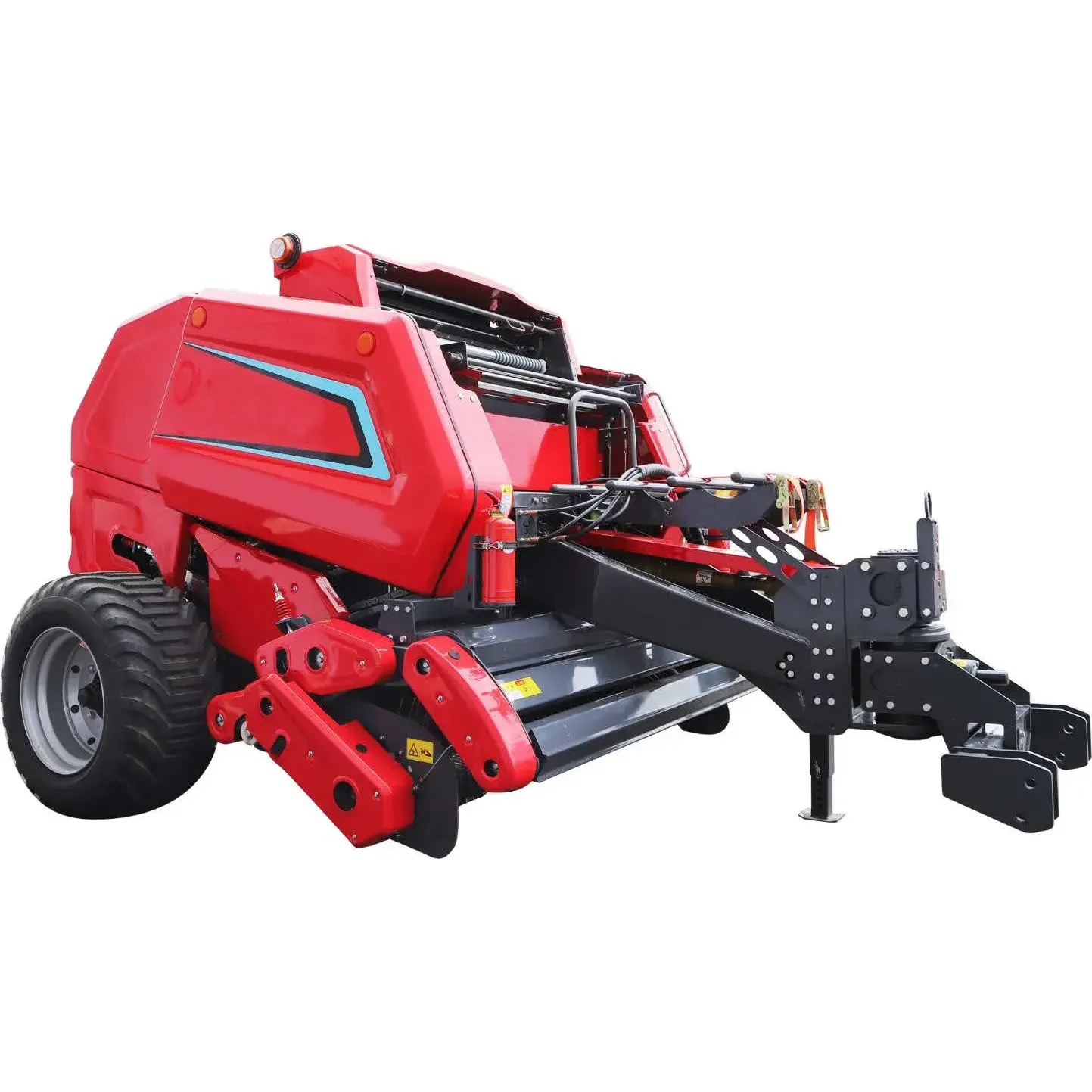
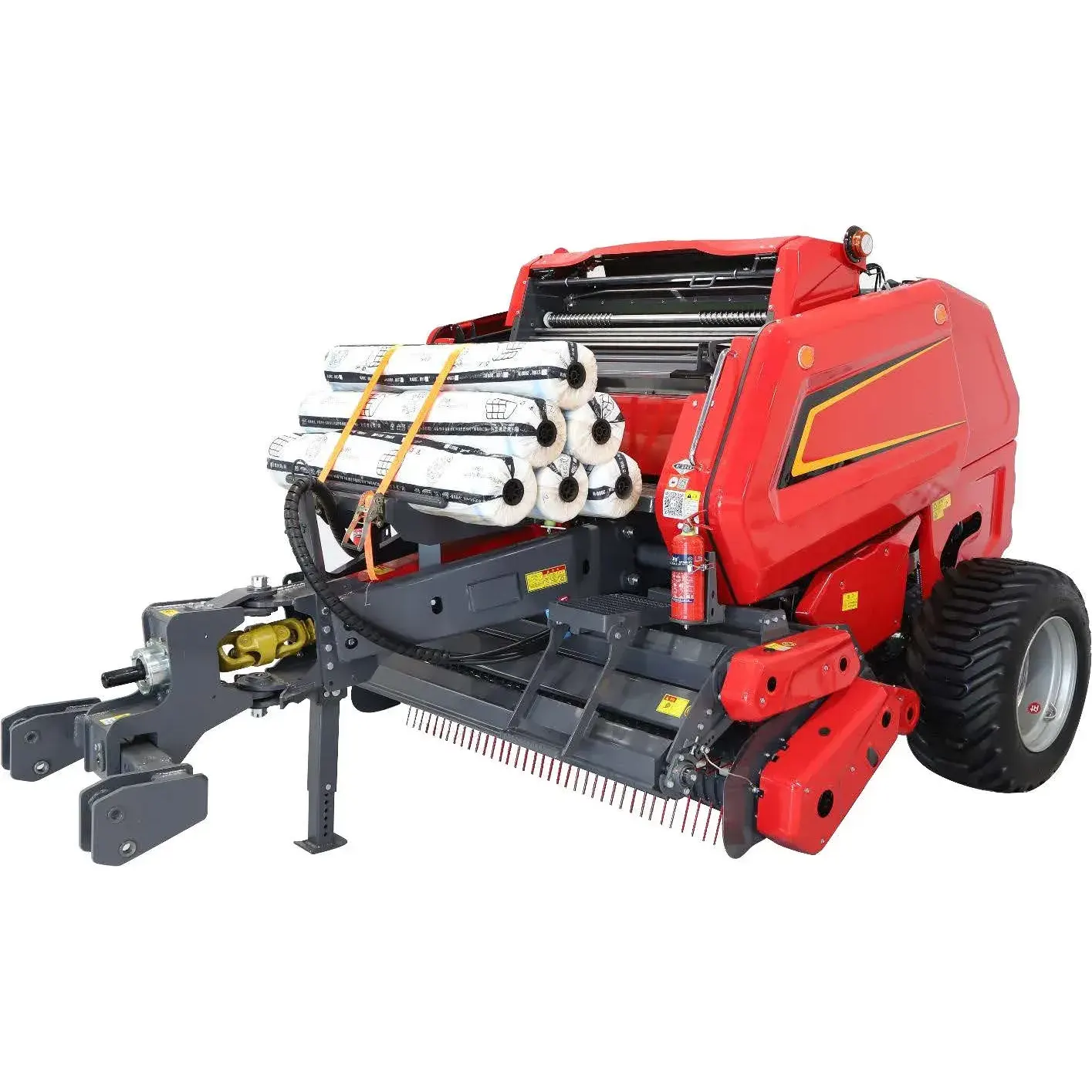
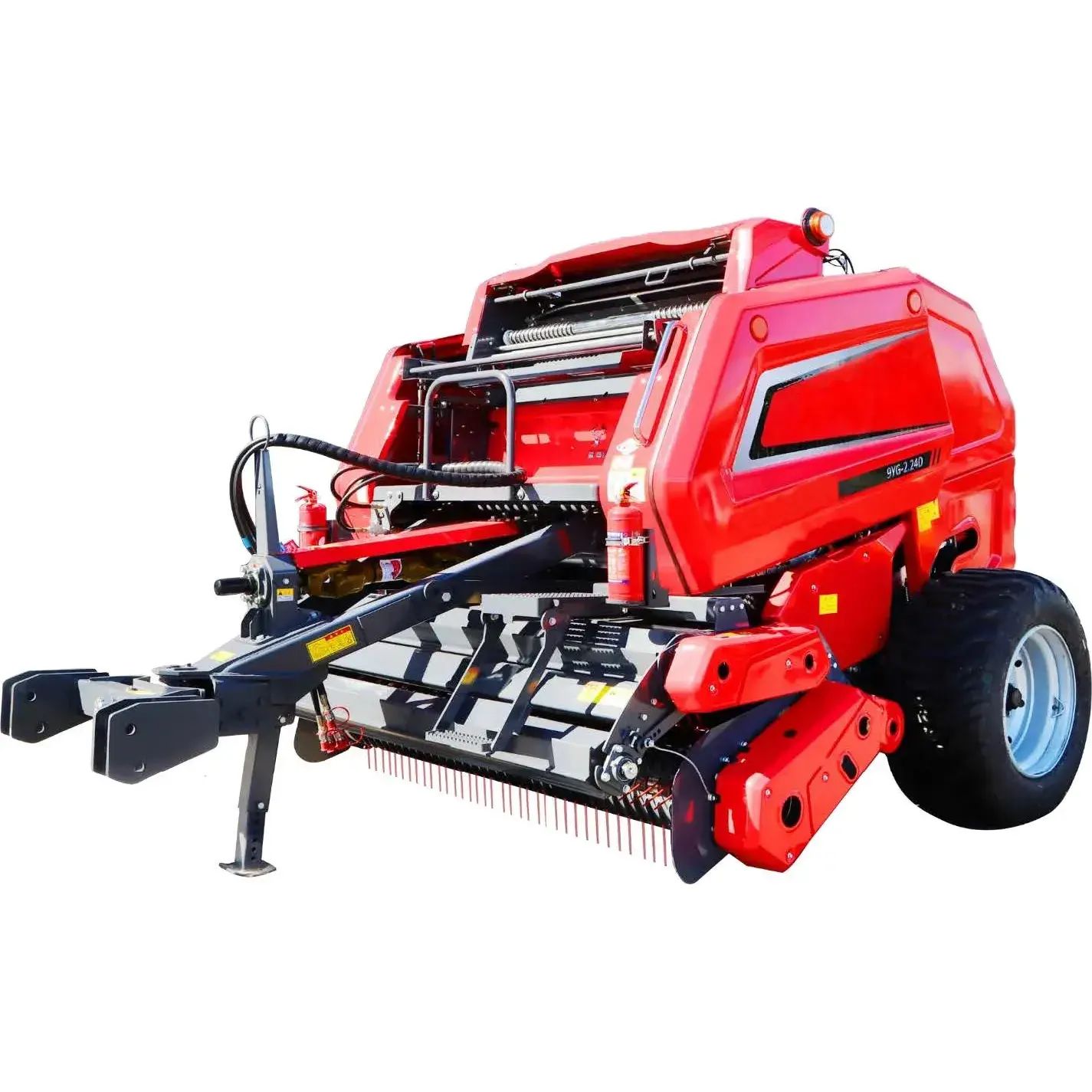
Six Large Round Baler Models
Every spec below is taken directly from our factory acceptance test protocol — not a marketing approximation. Each large round baler is tested for large round bale weight consistency before shipment.
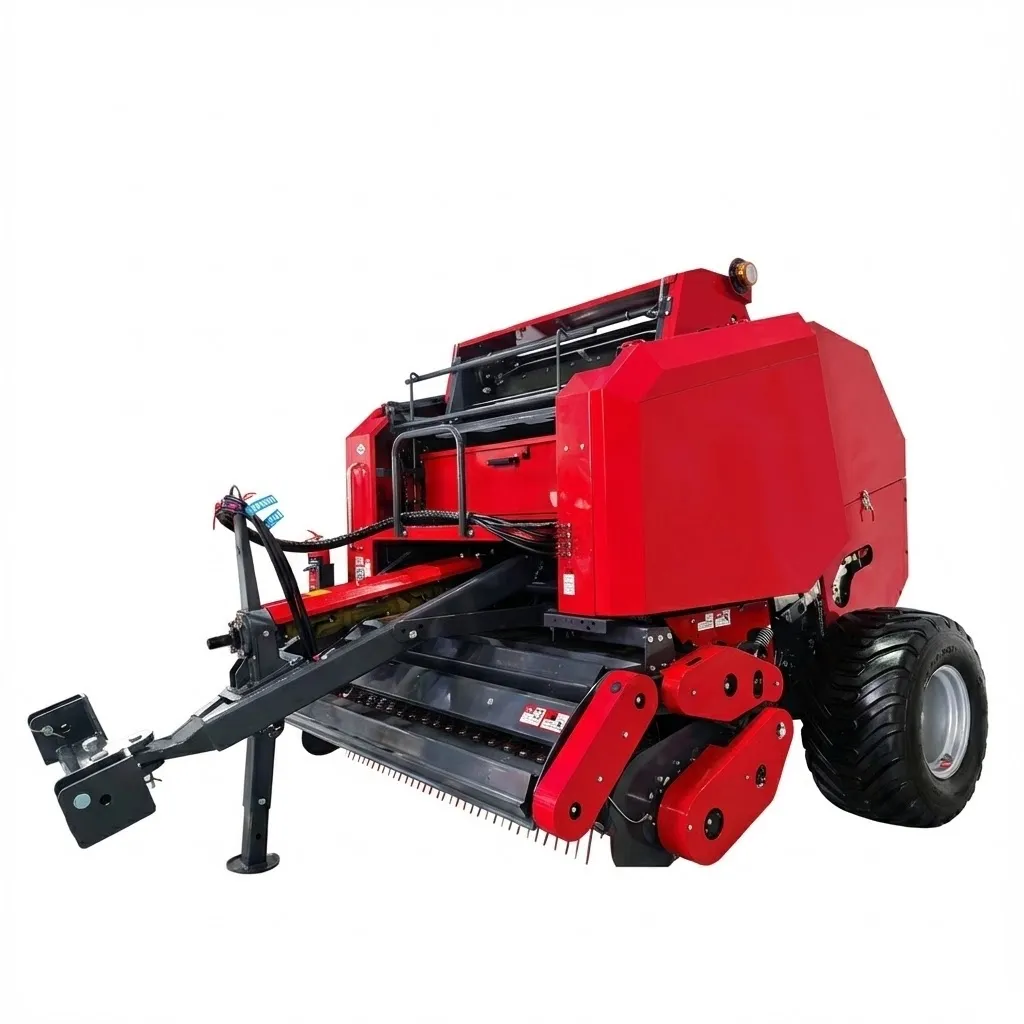
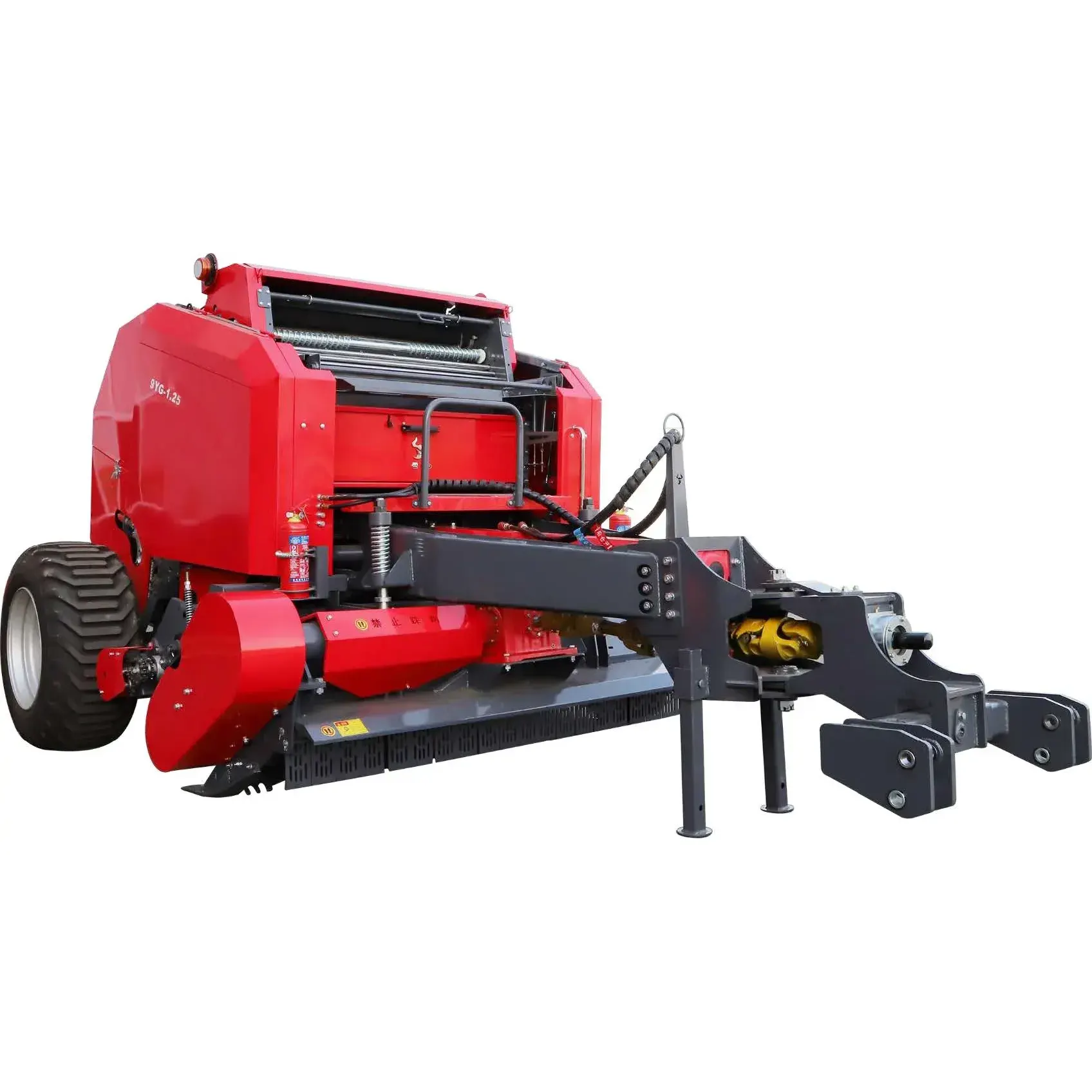
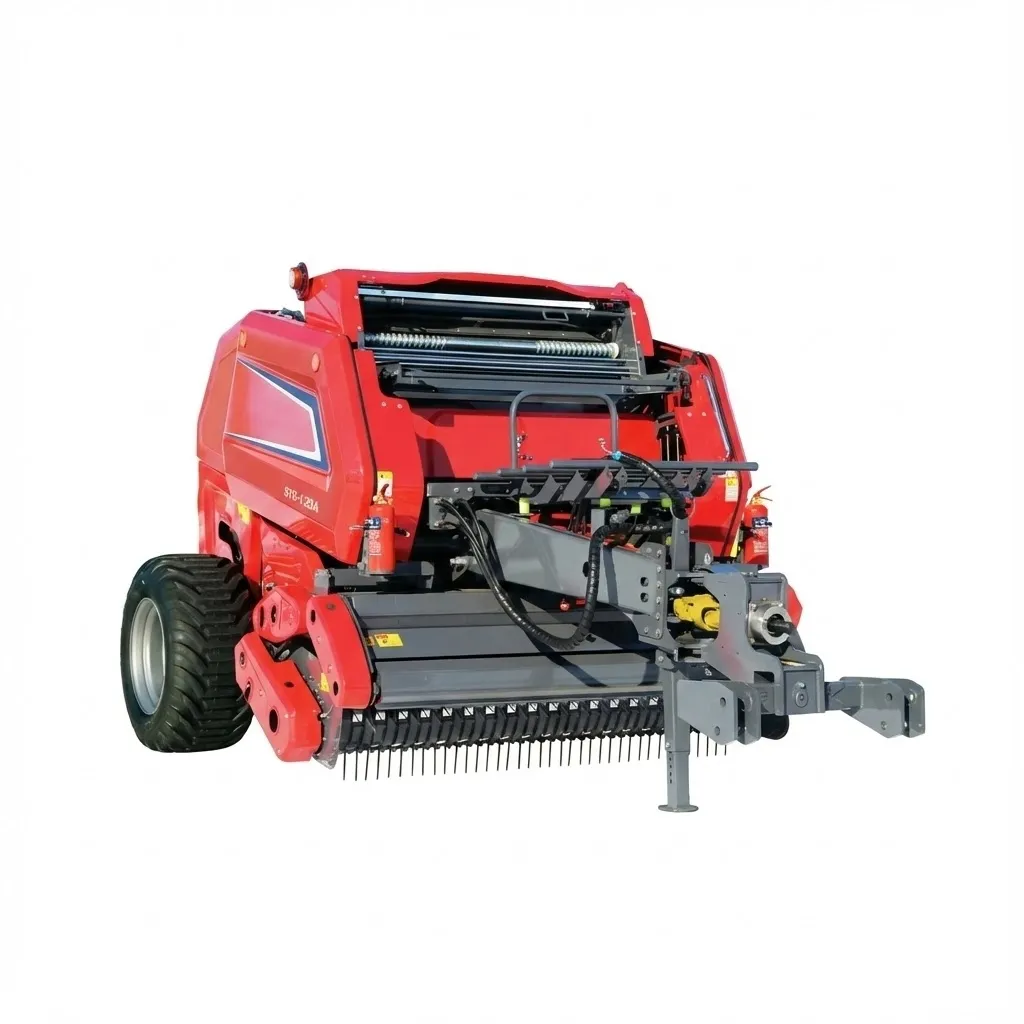
— Side by Side
Large Round Baler Specifications at a Glance
Side-by-side comparison of every large round baler in the 9YG line — including large round bale weight range per model.
| Model | Pickup (mm) | Bale Dia × W (mm) | Bale Weight | Power (kW) | Mass (kg) | Output |
|---|---|---|---|---|---|---|
| 9YG-2.24D S9000 Pro | 2240 | 1300 × 1400 | 370–500 kg | 55–100 | 4570 | 40–100/h |
| 9YG-2.24D S9000 Classic | 2240 | 1300 × 1400 | 370–500 kg | 55–100 | 4312 | 40–100/h |
| 9YG-2.24D S9000 | 2240 | 1300 × 1400 | 250–500 kg | 55–100 | 4262 | 40–100/h |
| 9YG-2.24D (Base) | 2240 | 1300 × 1400 | 300–450 kg | 55–100 | 3922 | 40–100/h |
| 9YG-1.25 | 2240 | 1200 × 1250 | 250–350 kg | ≥88.2 | 4558 | 40–80/h |
| 9YG-1.25A | 2150 | 1300 × 1250 | 300–420 kg | ≥75 | 4472 | 40–100/h |
— Buyer Comparison
Large Square Baler vs Round Baler — Which Is Right for You?
Farmers choosing between large square baler vs round baler options face a trade-off between storage efficiency and field practicality. Here is how the two formats compare for high-volume straw and hay operations.
| Factor | Large Round Baler | Large Square Baler |
|---|---|---|
| Purchase price | Lower — from USD 8,000 | Higher — USD 30,000+ |
| Maintenance cost | Lower — fewer moving parts | Higher — complex knotters |
| Storage efficiency | Wasted corner space | Better — stacks flat |
| Tractor power needed | 55–100 kW (75–135 HP) | 100–200 kW+ |
| Wet/partial crop handling | More forgiving on moisture | Sensitive to moisture |
| Outdoor weathering | Better — round shape sheds rain | Flat tops collect water |
| Best suited for | Paddy straw, wheat residue, small-to-mid scale farms | Large commercial hay operations, export logistics |
For most straw-baling operations producing large round bales of hay and crop residue at 250–500 kg per bale, this type of baler offers the best combination of acquisition cost, maintenance simplicity and field performance.
— Engineering Detail
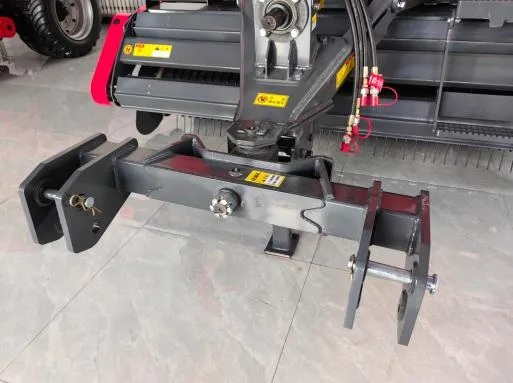
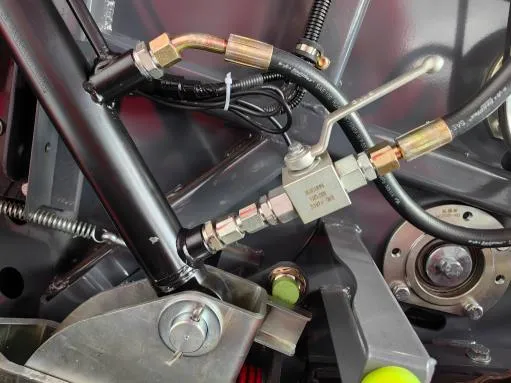
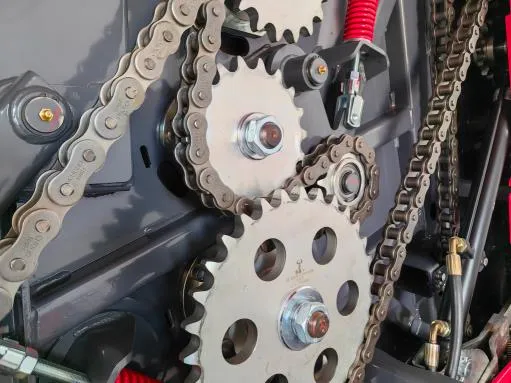
An Inside Look at the 9YG Large Round Baler
Closer detail of the patented mechanisms shared across the line — drivelines, chamber rollers, pickup geometry and finish quality that determine large round bale weight consistency.
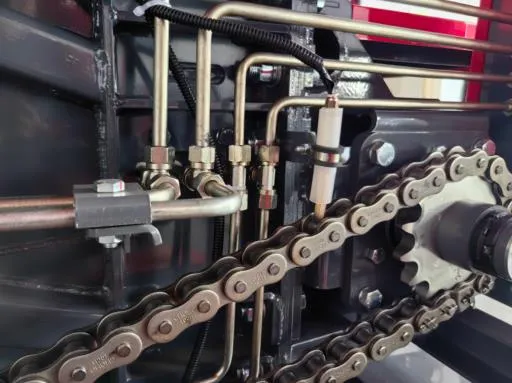
— Patented Technology
Core Engineering in Every Large Round Baler
Axial-Flow Feed
Patented cam-free, guard-ring-free pickup doubles intake rate and eliminates the choke-and-clear stoppages that plague paddy-straw and large round hay bale operations.
18-Roller Chamber
Eighteen φ222 mm steel rollers form the compression cylinder — no belts to slip, stretch or burn on hot dry residue. Consistent large round bale weight across every cycle.
Sensor Density Control
In-chamber sensors signal target density — repeatable 100–200 kg/m³ producing consistent large round bales of hay, straw, maize stover and napier grass.
Net-Wrap Binding
Tensioned net-wrap (2000 × 1.4 m or 2000 × 1.25 m) gives a clean, transport-ready surface on every large round straw bale and hay bale.
Cross-Joint PTO
In-house driveline with safety-torque limiter solves the chronic shaft-jam problem when turning in small plots.
Electrostatic Coating
Panels are electrostatic-powder-coated in our dedicated line — the same weather-resistant finish on every unit shipped.
— Crop Versatility
Residues These Large Round Balers Handle
A large round baler in this class must perform across a wider range of materials than temperate hay markets — from large round hay bales for dairy to large round straw bales for biomass plants.
🌾
Paddy Straw
The defining residue for large round straw bales in Asia. Dry, abrasive, low-density. Axial-flow feed and 18-roller compression are specified for it. Bale weight 220–320 kg.
🌾
Wheat Straw / Hay
High-volume large round hay bales for cattle bedding and brick-kiln fuel. Higher density per bale — all six models suited. Large round bale weight 370–500 kg at full density.
🌽
Maize / Corn Stover
For standing stalks, the 9YG-1.25 hammer-claw model bales directly without a windrowing pass. Large round bale weight 250–380 kg.
🌿
Napier & Hybrid Grass
Cultivated forage producing large round hay bales for dairy. Sensor density control gives uniform 250–500 kg cattle-feed bales.
🌿
Sugarcane Trash
Coarse, woody residue for large round straw bales. The S9000 variant recommended; bale density tunable to buyer requirement.
🌾
Soybean & Pulse Residue
Short-stalk, brittle. Sensor control prevents over-compression and roller stall. Bale weight 180–280 kg.
— Proven Globally
Large Round Baler — Field-Tested Across Four Continents
Beyond the home market, the same 9YG family is in active service across Russia, Mongolia, Kazakhstan and Belarus — climates and residues that prove out reliability. Large round hay bales and large round straw bales produced in these markets confirm consistent bale weight in the 250–500 kg range.
For global deployments via straw-baler.com we provide on-site commissioning, operator training, a wear-parts starter kit and dedicated technical support.
Export footprint: 30+ provinces · Russia · Mongolia · Kazakhstan · Belarus · 50+ countries
— Buyer Checklist
Choosing the Right Large Round Baler
Match tractor PTO power first.
The 2.24 m large round baler models need 55–100 kW (75–135 HP). The 9YG-1.25 needs ≥88.2 kW (120 HP). Under-powering is the most common cause of belt drag, gearbox failure and inconsistent large round bale weight.
Define your bale weight target.
If your buyer is a fodder trader, biomass power plant or brick kiln, ask them the large round bale weight they pay best for. Most buyers prefer 300–500 kg large round hay bales — choose the S9000 or S9000 Pro with double 20A chain.
Audit your headland geometry.
Plots under 2 hectares need a tight-turning machine. The Pro variant's left-right 90° dual gearbox is purpose-built for this; the Classic adds a safety-torque shaft.
Check your PTO output speed.
Older tractors are 540 r/min; new high-HP models offer 1000 r/min. The 9YG-1.25A accepts both without modification — ideal for mixed fleets.
Plan for crop diversity.
If you produce large round hay bales in one season and bale standing corn stalks in another, only the 9YG-1.25 with interchangeable hammer-claw pickup avoids the windrowing step on maize.
Confirm spare-parts logistics.
All six large round baler models share the same 18-roller chamber, φ222 mm roller, 720 r/min PTO input and net-wrap system — one parts inventory covers the whole fleet.
— Questions Answered
Large Round Baler FAQ
How does a large round baler work?
A large round baler collects crop windrows through a pickup reel, feeds material into a cylindrical chamber where rollers or belts compress it into a round bale, then automatically wraps the bale with net or twine and ejects it. Ever-Power 9YG large round balers use an axial-flow semi-forced feed mechanism — a patented cam-free design that doubles intake rate and eliminates the jamming that is common with conventional pickup designs. Once the sensor-controlled density target (100–200 kg/m³) is reached, the net-wrap engages automatically and the bale is ejected in under 30 seconds.
How much does a large round bale of hay weigh?
How much a large round bale of hay weighs depends on baler chamber size, crop type and density setting. For our 9YG series: large round bales of hay from the 1300 × 1400 mm chamber weigh 370–500 kg at maximum density (200 kg/m³) on wheat hay. Large round bales of paddy straw weigh 220–370 kg at the same setting due to lower material density. The smaller 1200 × 1250 mm chamber (9YG-1.25) produces large round hay bales of 250–350 kg. Our bale weight table above gives per-model detail.
Is there a large round baler for a compact tractor or under-100 HP tractor?
Our entry-level 9YG-1.25A large round baler operates from 75 kW (100 HP) — the lowest power requirement in the range. For tractors below 75 kW, we recommend our compact round baler range (9YG-1.0C series, from 70 kW / 95 HP) which produces smaller bales in the 100–200 kg range. Operating a full-size large round baler on an underpowered tractor causes chain drag, low bale density and accelerated driveline wear — tractor HP match is critical.
Large square baler vs round baler — which should I buy?
For most straw and hay baling operations: a large round baler costs 60–80% less than a large square baler, requires less tractor power (55 kW vs 100+ kW) and is far simpler to maintain — no knotters to time or replace. Large square bales stack more efficiently in barns and on flat-bed trucks, which matters for commercial export hay operations. For producing large round bales of hay for local fodder markets, biomass plants or on-farm feeding, the round baler wins on every cost metric. See our comparison table above for a full large square baler vs round baler breakdown.
What is the minimum tractor power needed to run an Ever-Power large round baler?
The four 2.24 m models (S9000 Pro, S9000 Classic, S9000, base) require 55–100 kW (75–135 HP) at the PTO. The 9YG-1.25 needs ≥88.2 kW (120 HP) because of its denser bale chamber and hammer-claw option. The 9YG-1.25A needs ≥75 kW. Under-powering any baler causes belt drag, low large round bale weight and premature driveline wear.
How heavy is a bale produced by these large round balers?
At the φ1300 × 1400 mm chamber size with density at the upper end (200 kg/m³), a single large round bale of hay weighs approximately 370–400 kg on dry paddy straw and up to 500 kg on wetter wheat straw. The smaller φ1200 × 1250 mm chamber (9YG-1.25) produces large round hay bales of 250–350 kg.
Can these large round balers handle wet or partially dry paddy straw?
All Ever-Power large round balers handle field-cured residue down to roughly 18% moisture. Below 25% moisture, no special adjustment is needed. Between 25–35%, lower bale density target to 100–130 kg/m³ to preserve airflow inside the large round bale. Above 35%, baling is not recommended — material should be field-dried first.
What is the hourly output of a large round baler in field conditions?
Factory rating is 40–100 large round bales per hour. In real operation — accounting for windrow spacing, transport tractor swaps and net-wrap reloading — sustained output is typically 30–60 large round hay bales per hour on paddy straw and 50–80 per hour on wheat straw. The 9YG-2.24D Pro reaches the upper end.
Does the large round baler need a separate windrowing pass?
For combine-harvested paddy and wheat — yes, a windrow is needed and any spring-tine pickup model handles it. For standing maize and sorghum stalks, the 9YG-1.25 with optional hammer-claw head bales directly, skipping the windrowing operation.
What net-wrap roll size do these large round balers accept?
The 2.24 m models accept 2000 m × 1.4 m rolls. The 1.25 / 1.25A models accept 2000 m × 1.25 m rolls. Both are standard widths available from agri-input suppliers worldwide.
What is the warranty period and what does it cover?
Every large round baler ships with a 12-month structural and driveline warranty from date of commissioning. Covered: frame, gearbox, PTO shaft, hydraulic cylinders and chamber rollers. Not covered: wear parts (spring tines, net-wrap, chain links), damage from over-power tractors, or operation outside specified moisture range.
— Get Started
Request a Large Round Baler Quotation
Send us your tractor make, target crop, required bale weight and throughput. We will recommend the optimal model, quote CIF to your nearest port, and arrange commissioning. Every large round baler ships with a 12-month warranty.