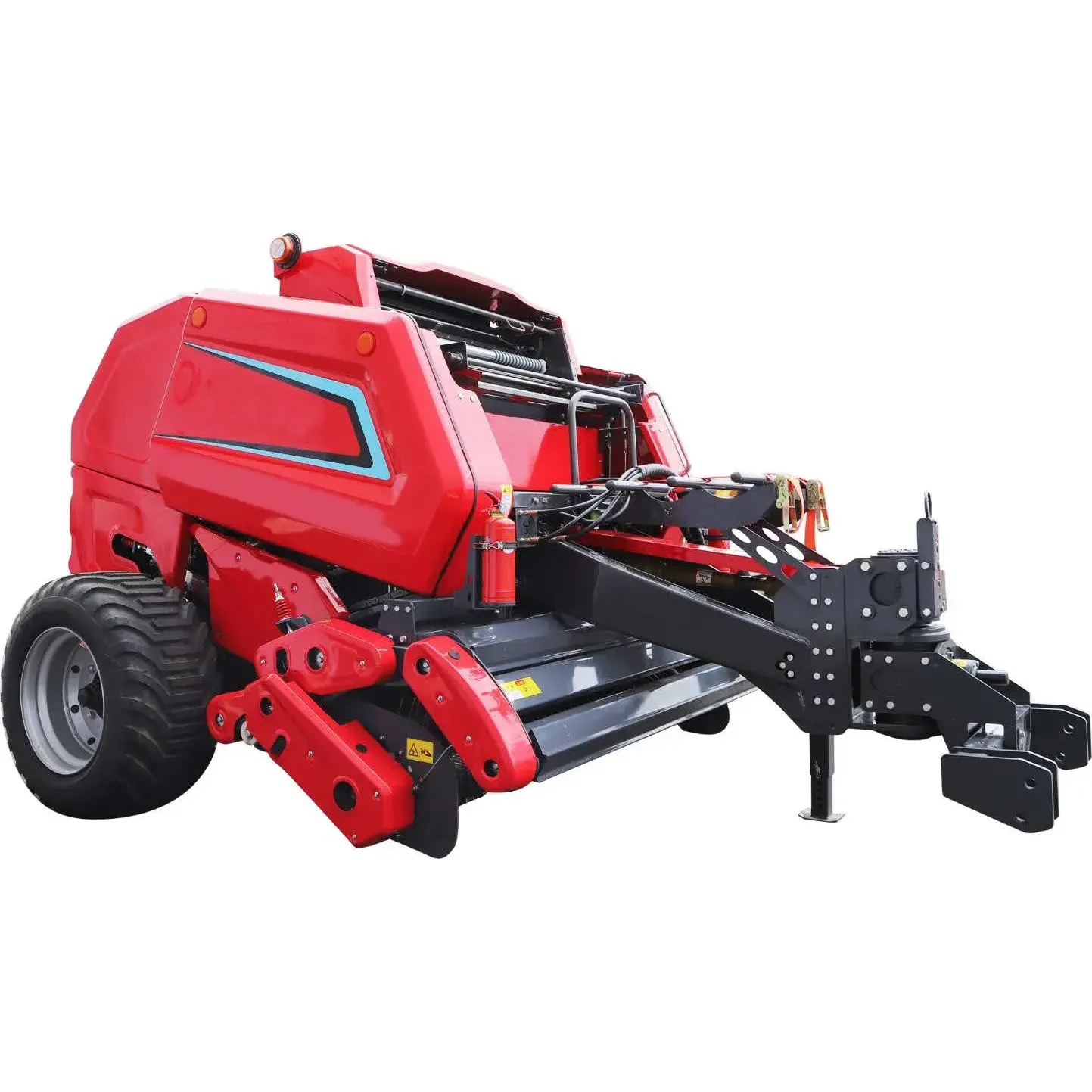
The 9YG-2.24D S9000 large round baler in operation. Before purchasing any round baler — new or used — run through the evaluation framework in this guide.
Searching round baler for sale across online marketplaces, dealer inventories, and import sourcing platforms returns hundreds of listings that appear similar on the surface but differ substantially in field performance, durability, and after-sales support. The challenge for buyers is not finding options — it is distinguishing machines that will run productively for 10 to 15 seasons from those that will generate repair costs exceeding the purchase price within 3 to 4 years.
This guide provides a structured evaluation framework for any round baler for sale listing — whether you are looking at a used machine on a farm auction site, a new dealer unit, or a factory-direct import from a manufacturer. The same checklist applies to all three and will prevent the most common and costly sourcing mistakes in the US round baler market.
The Round Baler for Sale Market in 2026
The US round baler market in 2026 includes three primary source channels: used domestic machines from farm auctions or private sales, new machines from US dealers (including both domestically assembled and imported brands), and new machines purchased factory-direct from international manufacturers. Each channel has a distinct risk and cost profile.
Used domestic market
Used round balers from domestic farm auctions represent the widest price range and the highest buyer-knowledge requirement. Machines from major US brands (Class, New Holland, Vermeer, Kuhn) have well-documented part prices and widespread dealer networks. Machines from lesser-known brands or unlabeled imports may have no domestic parts supply. A used baler at any price is only a good purchase if spare parts are available within your acceptable downtime window.
New dealer units
New machines from US dealers carry the highest retail prices but include domestic warranty support, dealer service networks, and financing options. For buyers who value minimizing risk over minimizing cost, the dealer channel is the appropriate choice. The price premium is real — typically 35 to 60 percent above factory-direct cost — but it buys certainty of parts availability and warranty coverage.
Factory-direct new machines
Factory-direct purchasing from manufacturers like Ever-Power eliminates the importer and dealer margin — typically 25 to 40 percent of retail price. The trade-off is more buyer involvement in the import process and a longer lead time from order to delivery. For buyers with experience importing agricultural machinery or with access to a freight forwarder, factory-direct is the most cost-effective path to a fully-specified, certified new round baler.
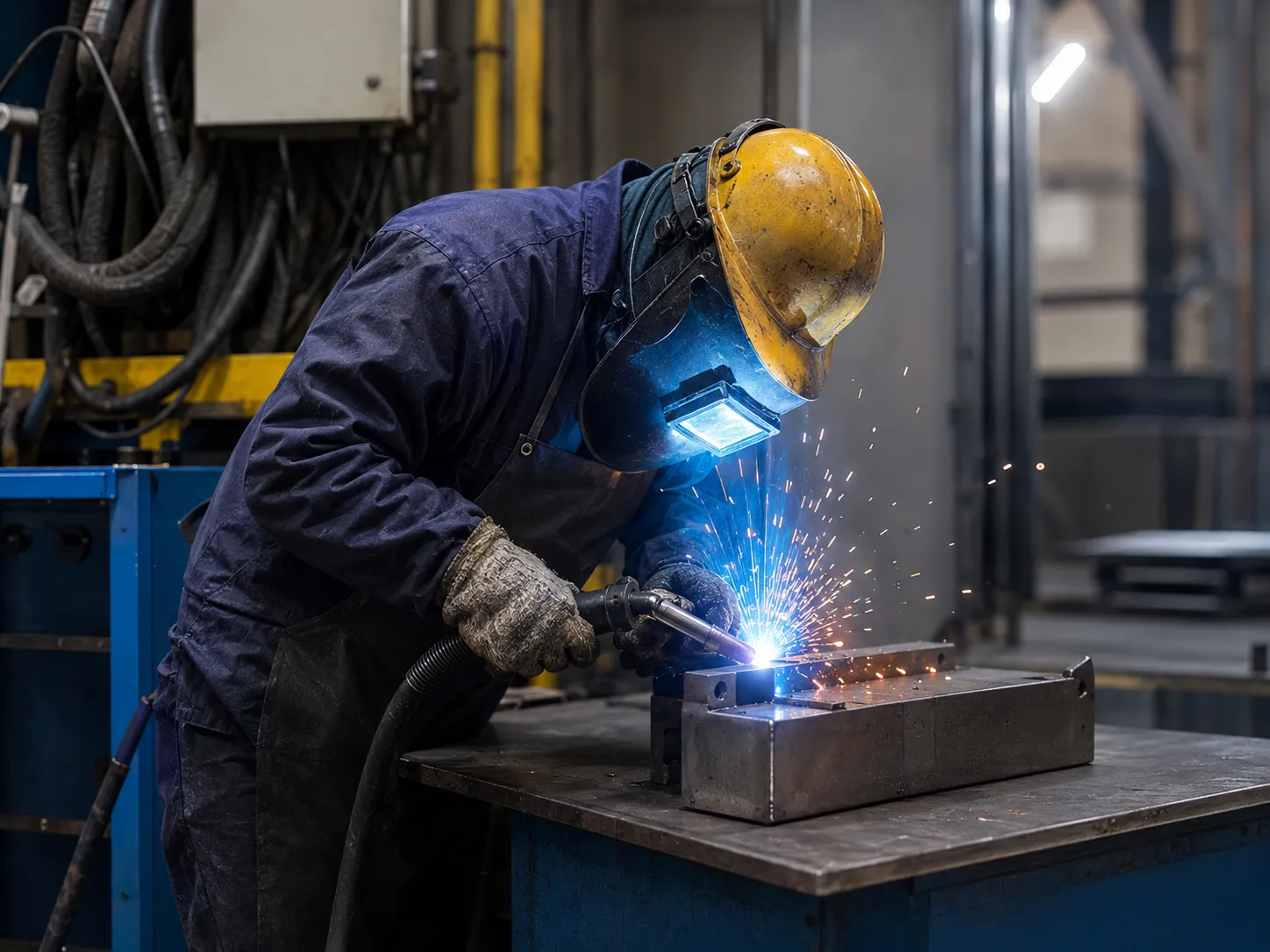
Active welding on a round baler frame at the Ever-Power factory. A genuine manufacturer will show you this on a live video call before you place any order.
Specification Checklist for Any Round Baler for Sale Listing
Run through the following checklist on every round baler for sale listing before proceeding to inspection or negotiation. Items marked critical are non-negotiable — a machine that fails any critical check should be declined regardless of price.
| Specification | What to verify | Critical? |
|---|---|---|
| Bale diameter and width | Confirm actual dimensions match your storage and handling equipment | Yes |
| Pickup width | Match to your windrow width — over-reaching causes soil ingestion | Yes |
| Minimum tractor HP | Verify against your tractor output at PTO — not just engine HP | Yes |
| PTO speed | Confirm 540 rpm — wrong speed causes immediate mechanical damage | Yes |
| Certification | CE certificate number — verify against issuing body database | Yes |
| Bale binding method | Net wrap vs twine — verify wrap system condition | Moderate |
| Chamber type | Fixed vs variable — affects bale size consistency | Moderate |
| Output rate | Bales per hour at stated operating speed — ask for field data | Moderate |
| Spare parts lead time | For pickup tines, drive belts, and bale pickup — ask before buying | Moderate |
Before placing any deposit on a round baler for sale — new or used — request the CE certificate number and verify it on the issuing certification body’s online portal. SGS, TUV, and Bureau Veritas all have free public verification tools. A machine with a fraudulent CE mark may be refused entry at US customs or fail agricultural machinery import compliance checks.
Used Round Baler Inspection Guide
When inspecting a used round baler for sale in person, focus on the components that are most expensive to replace and most indicative of overall machine condition. A professional inspection takes 60 to 90 minutes and should cover all of the following points.
Pickup mechanism
Check every pickup tine for bending, straightening (tines that have been straightened are weaker than new tines), or loss of spring tension. Rotate the pickup reel by hand — it should turn smoothly with no catching or binding. Check the pickup drive chain for loose pins and check the chain tension. A loose pickup chain produces inconsistent crop feed and is a leading cause of bale density variation.
Bale chamber
On a belt-type chamber, inspect each belt for cuts, fraying, or uneven wear. On a roller or chain-type chamber, inspect each roller or chain for wear. Run the machine at PTO speed without crop for 2 to 3 minutes and observe the chamber for any vibration, noise, or tracking issues on belts. Unusual vibration is almost always a worn bearing or an unbalanced roller.
Net wrap or twine system
Inspect the net wrap feed rolls and cutting blade for wear. A dull cutting blade produces inconsistent wrap ends and loose bales at the point of cut. On twine systems, check the twine tensioner and needle assembly for wear or bending — bent twine needles are common on high-hour machines and produce erratic twine placement.
Drive line
Check all drive chains, drive belts, and gearbox input shafts for wear. Pay particular attention to the main PTO input gearbox — a worn input seal is a common used-baler issue that leads to gearbox oil loss and eventual gearbox failure. Check the gearbox oil level on any used machine before purchase.
Always negotiate a 30-minute operational test run before purchasing any used round baler for sale. Run it through a full bale cycle with actual crop material. One bale will not tell you everything but it will reveal obvious pickup blockages, chamber tracking problems, wrap system failures, and significant bale density inconsistency that would be difficult to diagnose by inspection alone.
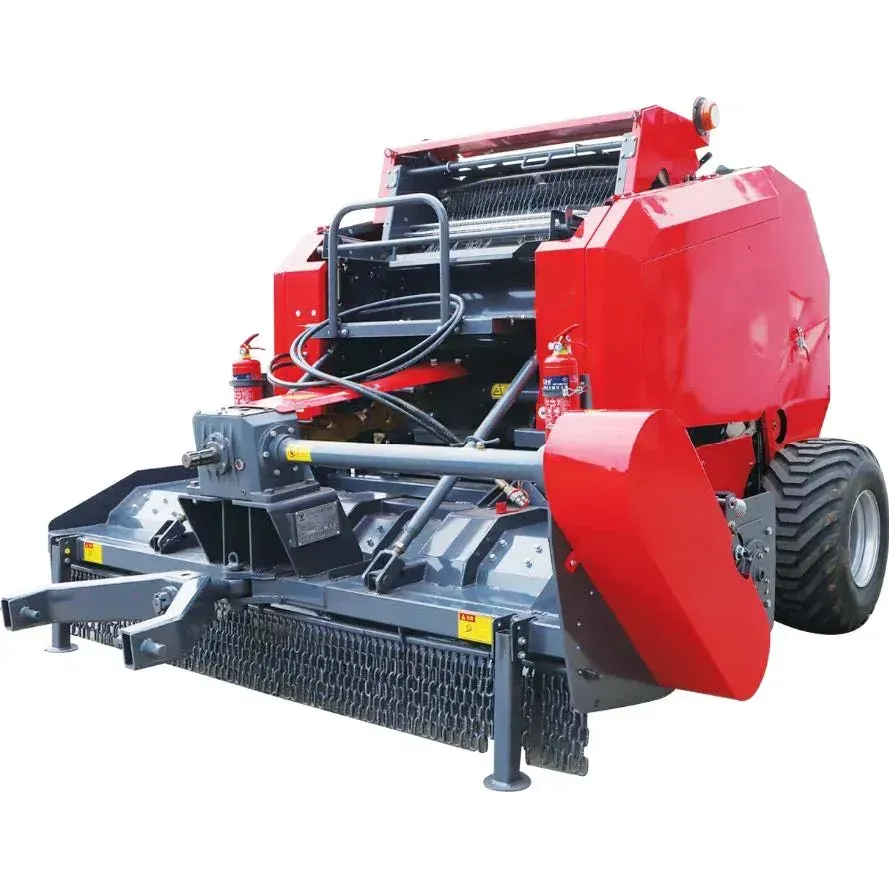
Inspection view of the 9YG-1.0C. For used round balers, inspect the pickup tine condition, pickup drive chain tension, and net wrap cutting blade before agreeing a price.
New Factory-Direct Round Baler: What to Verify Before Ordering
Purchasing a new round baler for sale factory-direct eliminates the used-machine inspection risk but introduces a different verification requirement: confirming that the manufacturer is genuine, that the specifications match what is described, and that the import and warranty process is structured to protect you.
- Request a live video factory inspection showing the production floor, not a pre-recorded video
- Obtain and verify the CE certificate number on the specific model you are ordering
- Confirm spare parts lead time to your state for the highest-wear items
- Request references from at least two US buyers who have operated the same model for one full season
- Confirm whether the machine arrives with a US-compatible or metric tool kit
- Verify warranty terms in writing: what is covered, who pays return freight on warranty claims, and what the response time commitment is
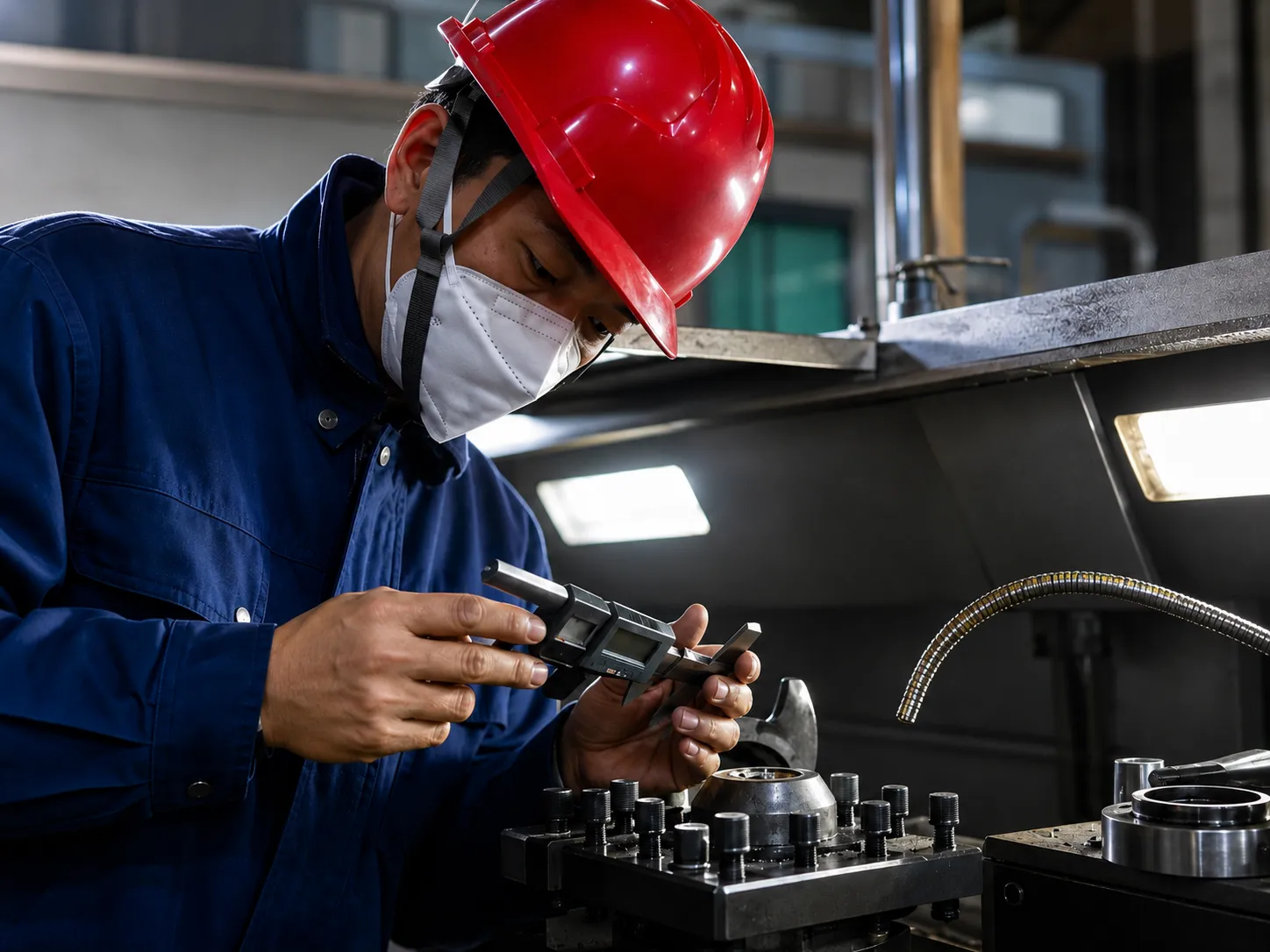
Pre-shipment quality inspection at the factory. Request the inspection report as a condition of final payment — it documents the machine’s condition before shipping and forms the basis of any warranty claim.
Round Baler Price Tiers and What They Actually Deliver
| Price tier (landed US) | Models / category | What it buys |
|---|---|---|
| $9,500 – $13,500 | 9YG-1.0 compact (FOB $8,000-11,000) | 65 HP compatible, 1100mm bale, CE certified, full factory support |
| $11,000 – $15,000 | 9YG-1.25 corn stalk (FOB $9,000-12,000) | Hammer-claw for corn stalk, 75 HP, CE certified |
| $16,500 – $23,000 | 9YG-2.24D large (FOB $14,000-19,000) | 2240mm pickup, S9000 density control, commercial output |
| $30,000 – $40,000 | 9YCM-850 integrated (FOB $25,000-32,000) | One-pass baler-wrapper, integrated satellite ring |
| $45,000+ | Major US/European brands | Full domestic dealer network, highest parts availability |
For most US buyers searching round baler for sale, the 9YG-1.0 at $9,500 to $13,500 landed cost represents the best combination of capability, specification quality, and purchase price for small to medium farm operations. The 9YG-2.24D at $16,500 to $23,000 is the right choice for larger commercial operations where output rate is the primary priority.
- 9YG-1.0 Compact Round Baler — full specifications and factory-direct pricing
- 9YG-2.24D Large Round Baler — high-output commercial round baler
- Mini Round Baler Guide — compact round baler for small US farm operations
- How to Choose a Baling Machine Manufacturer — verification checklist
- Straw Baler Machine Price Guide 2026 — complete price reference
Frequently Asked Questions
What should I look for when buying a used round baler for sale?
Focus on five inspection points: pickup tine condition (check every tine for bending or loss of spring), pickup drive chain tension, chamber belt or roller condition, net wrap cutting blade sharpness, and gearbox oil level and input shaft seal condition. Always negotiate a 30-minute operational test run through a complete bale cycle before finalizing any used round baler purchase.
What is a fair price for a used round baler in the US market in 2026?
Fair market value for used round balers varies significantly by brand, age, hours, and condition. As a general reference: a 5 to 8 year old mid-size round baler in good condition from a major US brand typically sells for $15,000 to $30,000 at auction. A new factory-direct compact round baler (9YG-1.0) landed in the US costs $9,500 to $13,500 — which competes directly with good-condition used machines from the same price range.
Is it better to buy a new or used round baler for sale?
New factory-direct: known specification, warranty, no hidden wear, factory support. Used: lower upfront cost, immediate domestic availability, no import lead time. Used balers at auction typically sell without warranty and with unknown maintenance history. For buyers without experience evaluating baler mechanical condition, new factory-direct eliminates the risk of purchasing a high-hour machine in undisclosed poor condition.
What is the difference between a fixed-chamber and variable-chamber round baler?
A fixed-chamber baler produces bales of one diameter regardless of crop volume. A variable-chamber baler adjusts its chamber size as the bale forms. Fixed-chamber machines produce more consistent bale dimensions — easier for net wrap consumption planning and storage layout. Variable-chamber machines can produce smaller bales in thin crop conditions, which may reduce the number of partial bales at the end of a field. For most small to medium US farm operations, fixed-chamber is the practical standard.
Can a round baler for sale from a Chinese manufacturer be relied on in US field conditions?
A CE-certified, ISO 9001 manufactured round baler with a verified production process operates to the same mechanical standards as machines from any other origin. The relevant questions are: Is the CE certificate genuine and verifiable? Is the specification level appropriate for your crops and HP? Is spare parts supply structured to deliver to your location within an acceptable downtime window? Origin country is not the determining factor — specification level and manufacturer support capability are.
Tell us your tractor HP, primary crop, and approximate seasonal bale volume. We send a matched model recommendation and factory-direct price — no sales pressure, no intermediary margin.